Driverless Vehicle: A Modern Tool for Creatives, Entrepreneurs, and Everyday Users
When you hear the phrase driverless vehicle, you might imagine a sleek car navigating city streets without a human behind the wheel. But the concept of driverless vehicles extends far beyond personal transportation. From web design templates to infographics and marketing materials, the driverless vehicle icon has become a go-to visual for representing automation, innovation, and future-ready thinking. Whether you're a blogger, educator, or small business owner, understanding how to use and apply these icons can enhance your digital presence and communication.
What Is a Driverless Vehicle Icon?
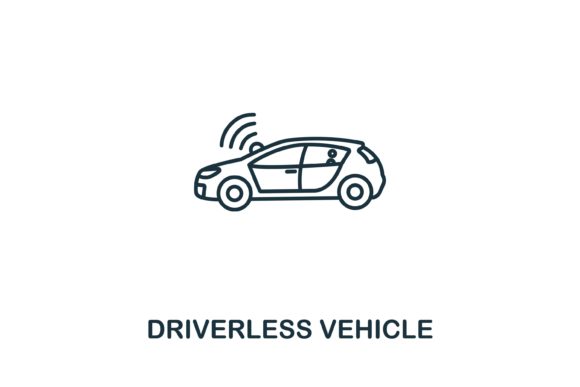
The driverless vehicle icon is a simplified graphic representation of an autonomous car or transportation concept. It's commonly used in digital design to convey ideas like automation, smart technology, and the future of mobility. These icons are often available in vector formats like EPS and as JPG files, making them easy to scale and edit for different uses.
Designers and content creators use these icons in presentations, websites, mobile apps, and educational materials. The clean, minimalist style makes them ideal for templates and infographics where clarity and visual harmony matter. Whether you're building a website about smart cities or creating a marketing campaign for a tech startup, the right driverless vehicle symbol can help you communicate your message more effectively.
Where and When Do People Use Driverless Vehicle Icons?
Let’s look at some real-world applications where the driverless vehicle icon comes in handy:
- Web design: Bloggers and website owners use these icons to visually represent topics like autonomous driving, smart logistics, and AI-powered mobility.
- Infographics: Educators and marketers often include the driverless vehicle symbol when explaining trends in transportation or urban planning.
- Mobile apps: App developers integrate these icons into UI elements to represent features like self-driving mode or automated navigation.
- Presentation slides: Entrepreneurs pitching new tech products may use the icon to illustrate innovation and forward-thinking design.
Why It Matters for Different Users
The driverless vehicle icon isn't just a design element—it serves practical purposes across different fields:
- For bloggers: Adding a relevant icon can make your tech or automotive blog posts more engaging and visually appealing.
- For educators: Teaching students about artificial intelligence or future transportation? An easy-to-edit driverless vehicle logo helps simplify complex topics.
- For small business owners: If your company is involved in logistics or mobility services, using this icon in marketing materials can signal innovation and modernity.
- For freelancers: Graphic designers and UI/UX professionals can quickly integrate the icon into client projects, saving time while maintaining quality.
Real Scenarios: How People Actually Use Driverless Vehicle Graphics
Here are a few examples of how users apply the driverless vehicle icon in their work or personal projects:
- A digital marketer creates a social media post about the future of delivery services. She uses the icon to visually represent autonomous delivery vehicles.
- A teacher designing a lesson plan about AI includes the driverless vehicle symbol in a slide deck to explain how automation works in real life.
- A startup founder pitching a smart city app uses the icon in his presentation to show how his product integrates with emerging transportation trends.
- A freelance web designer adds the icon to a client’s website to represent a “smart commute” feature in a transportation app.
Choosing the Right Driverless Vehicle Icon
When selecting a driverless vehicle icon, there are a few things to consider to ensure it meets your needs:
- File format: Look for icons available in both EPS and JPG formats. EPS files are great for scaling without quality loss, while JPG files are easier to use directly on websites.
- Style: Choose a design that matches the overall aesthetic of your project. Simple line icons work best for clean, modern designs.
- Licensing: Make sure the icon is available for commercial use if you're applying it to a business-related project.
- Editability: Vector files like EPS allow for easy customization, so you can tweak colors or shapes to fit your brand identity.
How to Use These Icons Effectively
Just having a driverless vehicle icon isn’t enough—you need to use it wisely to get the most impact:
- Pair with clear text: Don’t rely solely on the icon to convey meaning. Use descriptive labels or captions to support understanding.
- Keep it consistent: If you're using multiple icons in a design, ensure they all follow the same visual style for a cohesive look.
- Think about placement: Position the icon where it naturally draws attention, like next to a headline or within a feature section.
- Use in context: Only use the icon when it directly relates to the topic. For example, it makes sense in a section about smart transportation but not in a post about gardening tools.
Looking Ahead: The Growing Role of Driverless Vehicle Visuals
As autonomous technology becomes more mainstream, the driverless vehicle icon will continue to appear in more digital and print content. Whether you're creating educational materials, designing a website, or preparing a business pitch, having access to high-quality, easy-to-edit icons can make your work stand out.
For everyday users and professionals alike, these icons offer a simple yet powerful way to represent complex ideas. And with formats like EPS and JPG making them easy to customize and use, there’s never been a better time to incorporate them into your projects.